

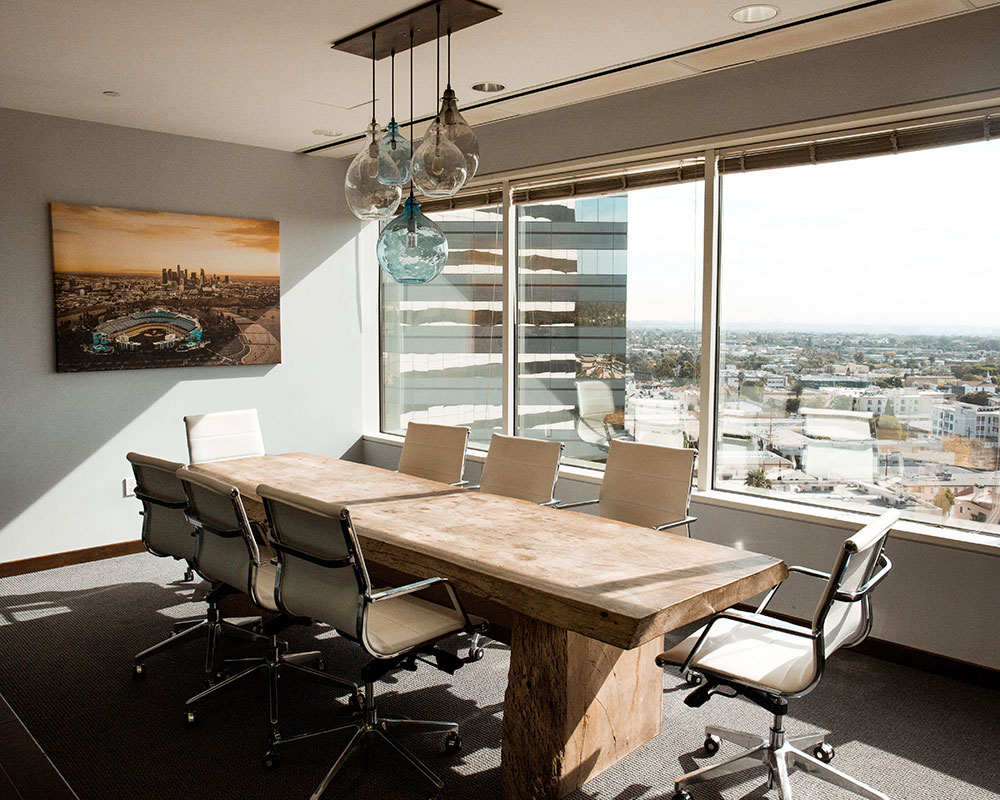
Picture a busy office lobby in the middle of winter. Snow melts off boots, salt crunches underfoot, phones are ringing, and people are moving in every direction. In that moment, your floor is doing far more than looking pretty. It’s either helping people stay upright, focused, and comfortable—or quietly working against you.
In Western New York offices, slip resistance, sound control, and safety all come down to smart flooring choices and good planning.
Why Office Floors Matter More Than You Think
Every workspace has its own rhythm. Reception areas see constant foot traffic, open offices buzz with conversation, and conference rooms need to feel calm and professional. The right surface can soften noise, support productivity, and reduce accidents, while the wrong one amplifies sound and creates hazards.
As a commercial flooring team that’s worked on offices of every size, we look first at how people move through the building. Entrances, corridors, break rooms, and copy areas all place different demands on the floor. Safer offices usually aren’t about one “perfect” product, but about combining materials so each zone gets what it needs.
When a project calls for a full building refresh, we often start by mapping those zones and pairing them with appropriate commercial flooring solutions that can handle real-world wear.
Reducing Slips in a Four-Season Climate
Our weather adds a layer of complexity. Snow, rain, and slush come through the door every year, which makes entrance and corridor design critical for safety.
A strong strategy usually includes three elements:
- A moisture-catching surface at the entry, a transition zone that adds traction, and durable hard surfaces beyond that can stand up to salt and rolling chairs.
Textured products, well-placed walk-off areas, and tight seams all help keep water where it can be controlled instead of spreading across the floor. In some buildings, that means combining carpet tile with resilient materials; in others, it means using rigid surfaces throughout with higher-traction finishes.
Where constant moisture is likely—such as near ground-level doors, kitchenettes, or copy rooms that see frequent spills—many facility managers lean on waterproof flooring that resists swelling, staining, and buckling over time.
Controlling Noise Without Sacrificing Durability
Sound can be as disruptive as a slippery floor. Hard, hollow spaces make every phone call and rolling cart louder, which wears on employees and visitors.
Carpet tile remains a workhorse for open offices and hallways because it absorbs footsteps and chair movement while still standing up to commercial traffic. It also makes it easier to replace only the damaged sections if a spill or tear happens.
In areas where rolling loads, frequent cleaning, or design goals call for a hard surface, we often recommend resilient products that can be paired with underlayments to soften sound. Today’s luxury vinyl flooring can deliver that balance: it looks polished enough for client-facing spaces, holds up to daily cleaning, and helps tame echo compared to ceramic or bare concrete.
The goal is simple: keep conversations private enough, reduce distractions, and maintain a professional atmosphere without introducing something that will fail under office use.
Designing a Safer Path Through the Building
Flooring also guides people. Subtle changes in texture, color, or pattern can direct traffic away from hazards, highlight stair landings, and make pathways clearer for visitors who don’t know the layout.
We pay close attention to:
- Transitions between materials, so wheels roll smoothly and shoes don’t catch.
- Color contrast near steps and ramps, which helps everyone see changes in elevation.
- Maintenance plans, so finishes stay slip-resistant and surfaces don’t become slick from residue.
Every office is different, so we tailor recommendations for each layout and budget. It helps to see options in person, whether that’s at one of our Western New York showrooms or by having samples brought into your space.
Ready to Rethink Your Office Floors?
If you’re planning a new office, refreshing a single suite, or trying to solve ongoing slip or noise issues, we can help you sort through the options and build a plan that fits your building, climate, and traffic. When it’s time to explore specific materials and pricing, you can request a free estimate and we’ll walk the space with you, measure carefully, and recommend safer, smarter flooring for your team.


