

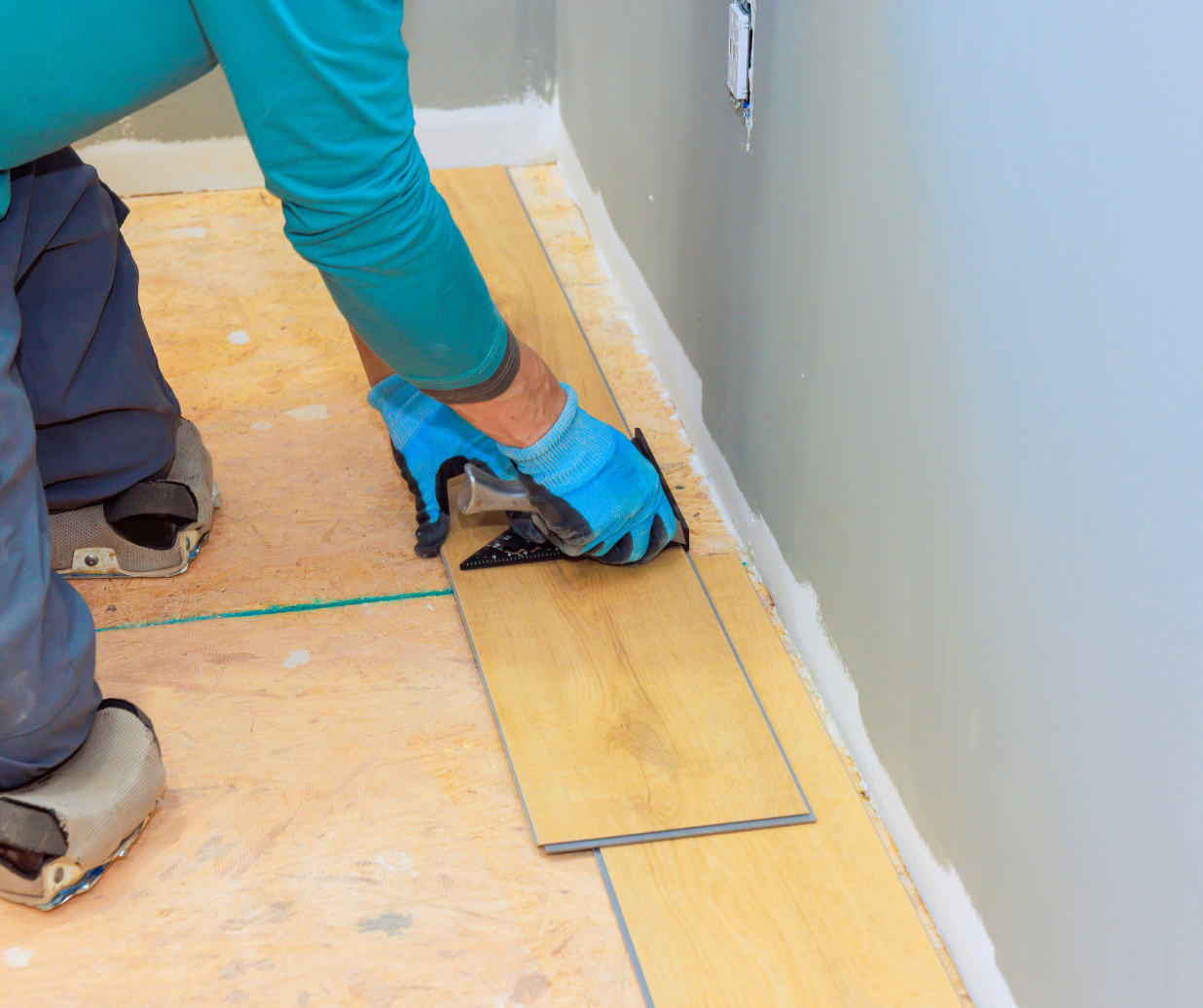
You don’t usually think about what’s under your floors until something feels “off.” A soft spot by the fridge, a mystery squeak in the hallway, or a musty smell in the basement can all be early clues that the subfloor—not just the surface floor—needs attention. In a lake-effect climate with snow, meltwater, and older homes, those clues tend to show up sooner than many people expect.
Understanding how to spot subfloor trouble early can save you from tearing out brand-new flooring later, especially when you’re investing in modern options like waterproof plank.
Why Western New York Homes See Subfloor Problems Sooner
Our region’s weather is tough on everything below your feet. Snow, slush, and road salt get tracked through entryways all winter, then melt into seams and gaps. Basements and first floors sit over cool, sometimes damp spaces. Older framing can flex more than it used to.
Over time, that combination allows moisture to reach the wood or panels that make up the subfloor. Even if you install durable waterproof flooring on top, a weakened base underneath can still swell, sag, or grow mold. That’s why we always look at what’s under the surface before recommending new materials, especially in basements and over crawlspaces.
Key idea: Surface floors handle spills and splashes; subfloors handle structure and stability. When structure is compromised, new flooring alone won’t fix the problem.
Early Warning Signs Your Subfloor Is in Trouble
Most homeowners first notice changes they can feel or hear. Pay close attention if you experience any of these:
- A “spongy” or bouncy feeling when you walk across certain spots
That soft give underfoot usually means the subfloor has separated from joists, has rotted sections, or was never properly supported. In kitchens and bathrooms, a spongy feel near sinks, dishwashers, and toilets often points to slow leaks that have been soaking the subfloor from above.
Persistent squeaks are another flag. One or two noisy boards in an older home are normal, but new squeaks that appear suddenly or a chorus of creaks across a whole pathway can indicate loosening fasteners or warped panels underneath.
You might also notice floors that no longer feel flat. When furniture rocks slightly, or you see a gentle “dip” in the light reflection across a room, the subfloor may be bowing between joists or pulling away at edges.
Visual and Smell Clues You Shouldn’t Ignore
Feet and ears aren’t the only tools you have. Your eyes and nose can often pick up subfloor problems even sooner.
Discoloration around baseboards, dark stains at the edges of vinyl or sheet goods, or warped planks at doorways usually mean moisture is coming from below or seeping through seams. In basements, any bubbling, lifting, or separation of flooring layers is a clue that water pressure or humidity is affecting the subfloor.
A musty odor that lingers even after cleaning is another serious indicator. That smell often comes from mold or mildew growing on the underside of flooring or on the subfloor itself. If you’ve installed resilient materials like luxury vinyl flooring and still battle lingering odors or recurring cupping, the issue is almost always below the surface.
Any time you see repeated buckling, staining, or smell persistent mustiness, it’s time to look past the top layer and evaluate the structure underneath.
Planning New Floors? Why Subfloor Repairs Come First
Many homeowners in and around Amherst come to us wanting to replace dated carpet or worn-out linoleum, only to discover that the real project starts with the subfloor. It’s not the glamorous part of a remodel, but it’s the piece that protects your investment.
When we evaluate a space, we look at:
- How flat and solid the subfloor feels
- Signs of past water damage or leaks
- The type of existing material and how it was installed
If we see red flags, we’ll talk through repair options before recommending finishes. That might be as simple as re-fastening loose panels, or as involved as cutting out and replacing damaged sections. Once the base is sound, moisture-tolerant products like waterproof flooring can finally do their job—standing up to tracked-in snow, pet accidents, and everyday spills without telegraphing imperfections from below.
For many families, it’s helpful to compare options where they actually live. Our mobile showroom service lets you see how different constructions look and feel over your existing floors, while we assess whether any subfloor work is needed.
The Bottom Line: Don’t Cover Up a Weak Foundation
If your floors feel soft, sound louder than they used to, or show waves, dips, or persistent staining, there’s a good chance the subfloor needs attention before you think about new materials. Addressing those issues now prevents you from installing beautiful new planks or carpet over a base that will keep moving and failing.
When you’re ready to sort out what’s cosmetic and what’s structural, you can request a free estimate, and we’ll inspect your existing floors, discuss any subfloor concerns, and recommend durable options that make sense for our Western New York climate.


